1776-2026 American Eagle Flag USA PNG: Design Asset Guide
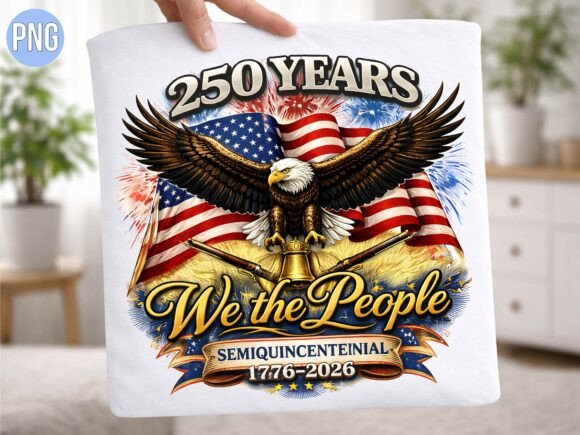
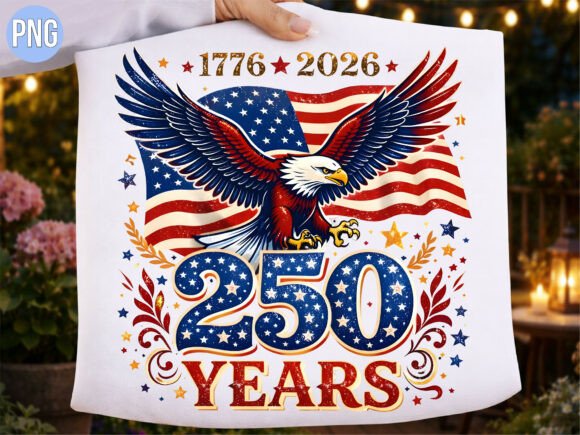
In the dynamic world of graphic design, a powerful visual element can instantly communicate heritage, patriotism, and timeless strength. The 1776-2026 American Eagle Flag USA PNG is a versatile digital asset that embodies this, offering designers a high-resolution, transparent-background graphic perfect for a multitude of creative and commercial projects. This professional-grade file is engineered to integrate seamlessly into your workflow, providing a ready-made symbol of American identity that elevates your visual storytelling.
Understanding the Design Asset
This specific PNG file is more than just a clipart image. It is a carefully crafted design element intended for serious creative use. Delivered as a high-resolution 300 DPI file with a transparent background, it ensures crisp edges and clean integration into any layout, whether for digital screens or high-quality print. The transparent background is particularly crucial, allowing the eagle and flag motif to be placed over any color, texture, or image without a cumbersome white box, maintaining a professional and polished look essential for modern branding and design.
Practical Applications Across Creative Projects
The utility of a well-designed patriotic graphic spans numerous disciplines. Its application is limited only by the designer's imagination, serving as a cornerstone for visual communication that resonates with a broad audience.
- Brand Identity & Logo Design: For businesses, organizations, or events with a patriotic theme, this element can be incorporated into logos, brand marks, and corporate identity systems to convey values of freedom, history, and pride.
- Marketing & Advertising Campaigns: Create compelling social media graphics, website banners, email headers, and digital ads that capture attention during national holidays, election seasons, or for brands with a distinctly American ethos.
- Merchandise & Print-on-Demand: The file is perfectly suited for commercial use on products like mugs, t-shirts, stickers, tumblers, pillows, and greeting cards. Its high DPI ensures the design remains sharp and detailed on physical goods.
- Editorial & Packaging Design: Enhance book covers, magazine layouts, scrapbooks, and product packaging with a symbol that adds depth and context, appealing to specific consumer interests and aesthetics.
- Presentations & Digital Products: Use the graphic in slide decks, reports, or digital planners to add a thematic visual element that reinforces your message and improves user engagement.
Integrating Assets with Professional Design Principles
Simply having a quality asset is the first step. Effectively using it requires an understanding of core design principles to ensure it enhances rather than clutters your work.
- Visual Hierarchy & Composition: Decide if the eagle graphic should be a focal point or a supporting element. Use scale, contrast, and placement to guide the viewer's eye and create a balanced layout.
- Color Palette & Consistency: While the PNG itself is standalone, its colors should harmonize with your project's overall palette. Consider if you need to apply color overlays in your design software to match your brand identity.
- Audience & Context: Always consider your audience's expectations and the project's context. A subtle, watermark-style use may suit a corporate report, while a bold, centered placement works for event merchandise.
- Technical Compatibility: As noted, confirm your software supports PNG files. For advanced projects, ensure your design workflow can handle high-resolution assets without slowing down performance.
Thoughtful design choices transform good projects into great ones. Selecting high-quality, purpose-driven creative assets like this PNG is an investment in visual clarity and emotional impact. By applying these graphics with a strategic understanding of composition, color, and audience, designers, marketers, and creators can significantly enhance the aesthetic appeal and communicative power of their work, building stronger brand narratives and more engaging user experiences.